By PAUL MU
SEMPORNA: Tourism players in this district face several challenges, particularly the rise of unlicensed travel agencies and resorts.
“As Bumiputera operators who are properly licensed, we provide guidance and feedback to government agencies such as the Semporna District Council, Sabah Parks and the Tourism Ministry to ensure regular monitoring of the tourism industry,” said Syukryn Abdul Salam.
He said monitoring was important to ensure licensed travel agents complied with standard operating procedures set by the authorities.
This follows recent action by the Sabah Government to regulate the tourism industry, protect the marine ecosystem and improve critical infrastructure in Semporna.
State authorities have launched a crackdown on unlicensed resorts, illegal activities and other issues as part of efforts to position Semporna as a hub for the state’s Blue Economy.
“As for unlicensed operators, we hope their activities can be controlled because they affect businesses like ours that operate legally.
“The issue should receive serious attention from the government, especially the District Council and tourism authorities, through continuous inspections to curb illegal tourism activities,” said the director of Maglami Tour and Travel Sdn Bhd.
He suggested enforcement teams conduct inspections at least once a week, or four times a month.
“Without proper monitoring, people will operate as they wish. If accidents involving foreign tourists occur and the company is unlicensed, it will damage Semporna’s tourism reputation and create the perception that the district is unsafe,” he said.
On the government’s plan to make Semporna a Blue Economy hub, Syukryn said the district must address all aspects of tourism management.
“This includes licensing, infrastructure development and overall tourism management.
“Cooperation between NGOs, industry players and government agencies is necessary to find solutions to issues such as unlicensed premises and companies.
“There must be continuous monitoring, enforcement and penalties where necessary,” he said.
The Tourism, Culture and Environment Ministry recently identified about 190 resorts in Semporna.
Of these, 42 are licensed, 68 are applying for licences, while 82 are operating without licences.
“Personally, I believe the 82 unlicensed resorts should be shut down because they negatively affect the tourism sector.
“Some may involve investors from China, or what people refer to as ‘Alibaba’ operations,” he said.
He said many of these operators were difficult to identify because they lacked proper documentation with the relevant authorities.
Syukryn suggested that the government establish clear SOPs, building regulations and tourism policies. These guidelines must be communicated clearly to prevent similar issues from recurring.
He also highlighted concerns over online booking platforms, where some unlicensed operators may market packages directly to overseas customers.
He said some operators work with local landowners, while foreign operators handle marketing and sales overseas.
As a result, payments are made outside Malaysia and do not benefit the local economy.
“This issue requires cooperation between several agencies, including the Ministry of Finance, customs authorities and trade departments.
“Tourism agencies alone cannot solve it. All stakeholders must work together to find solutions,” he said.
Syukryn said tourism players were also focusing on Environmental, Social and Governance (ESG) practices through partnerships with organisations such as Green Fins and WWF to improve waste management.
He said sustainable practices had made Semporna cleaner compared with previous years.
However, the lack of proper waste disposal systems in water settlements remains a challenge.
“Currently, there is no effective waste management system in these areas. Local authorities also face difficulties because some informal settlements are not officially recognised, making it difficult to provide public services,” he said.
Syukryn believes Semporna is close to achieving the government’s vision.
“If everyone works together, I believe Semporna is already around eight out of 10 in terms of progress. We are only a few steps away,” he said.
On tourist arrivals, he said business remained seasonal, with Chinese visitors usually arriving in larger numbers for about six months each year.
He said success depended heavily on marketing and developing new markets.
“We constantly look for new markets in case the China market declines.
“Recently, we focused on Singapore and met journalists to promote Semporna as a destination for Singaporean travellers.
“We are also working with travel agents in Brunei and continuing to promote the destination to domestic tourists.
“We need backup markets and cannot depend on only one source of visitors,” he said.
Most tourism products in Semporna currently focus on nature, islands, coral reefs and marine activities.
Syukryn said the district should also develop community-based and cultural tourism.
“Visitors arrive every day, so cultural experiences should also be available daily, not only during annual events such as Regatta,” he said.
Syukryn, who owns Maglami, said the resort has 26 rooms and can accommodate about 80 guests at one time.
It offers marine and water sports activities including diving, snorkelling, island hopping, sea walking and other recreational activities.
Maglami was one the water resorts visited by members of the Malaysian Association of Tour and Travel Agents (Matta) Sabah, led by chairman Mohd Azlan Abd Salem, during their networking session and site visit programme in Semporna from May 20 to 22, 2026.
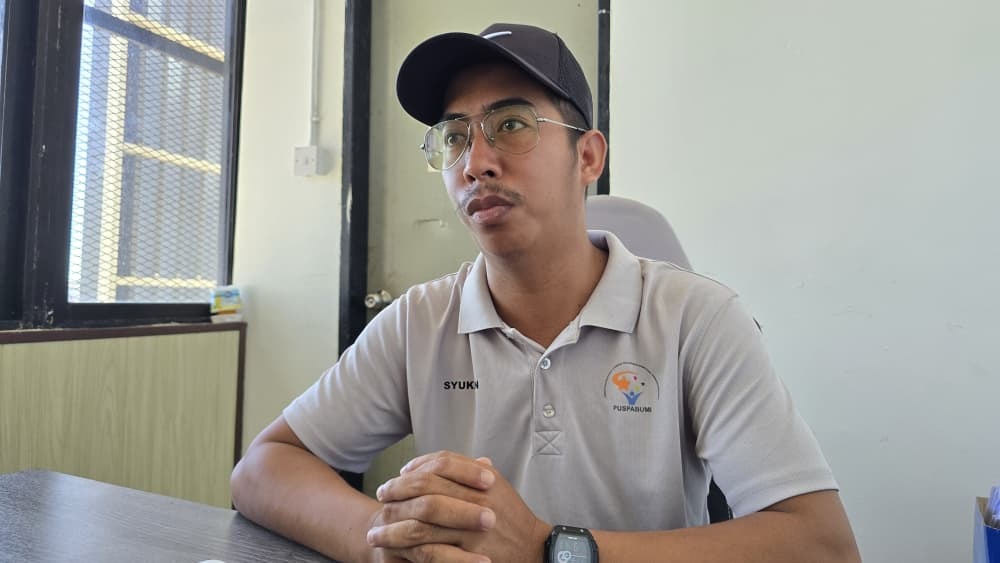
Syukryn suggested that the government establish clear SOPs, building regulations and tourism policies.
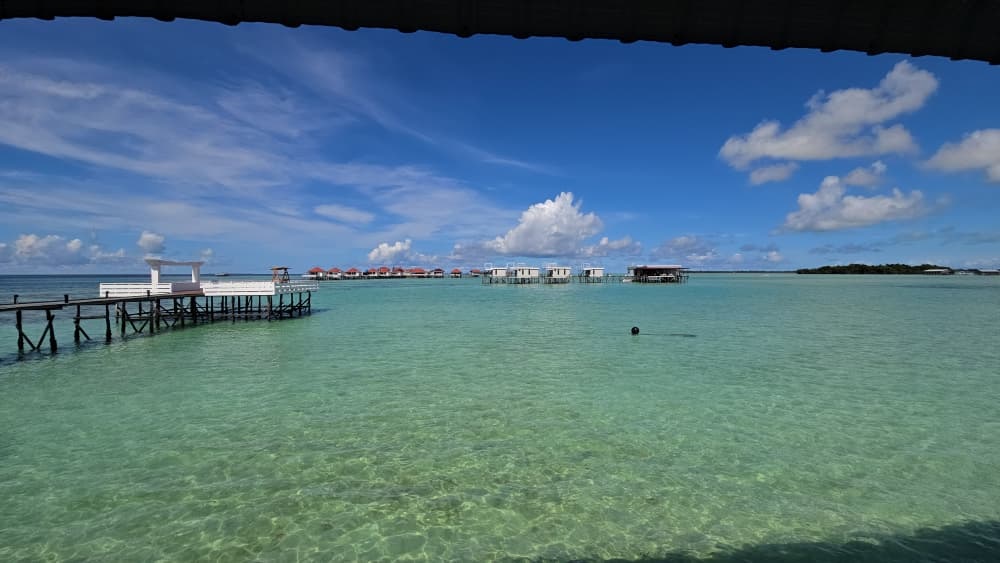
The crystal-clear waters of Semporna.