By WU VUIDE
PENAMPANG: Forty ethnic and sub-ethnic groups have signed a Unity Charter affirming Kadazandusun as their collective identity, and urged the Sabah Government to gazette it after a 10-year delay.
The charter was signed at Hongkod Koisaan during the Kadazandusun Dialogue 2026. The dialogue was convened by the Kadazandusun Cultural Association (KDCA) and attended by 153 leaders.
It is the largest joint affirmation since Kadazan and Dusun were merged as Kadazandusun in 1989. The KDCA comprises 49 groups under its constitution.
Organising chairman Datuk Seri Dr Jeffrey Kitingan said the agreement rests on three layers: ethnic identity as the root, Kadazandusun as the collective identity, and the KDCA as the institutional umbrella.
“We do not need to be the same to be one,” he said.
“Accepting Kadazandusun does not require any community to abandon its name, language or customs,” said Jeffrey.
The dialogue was called to end an anomaly dating from 1961 – members of the same family classified as “Dusun” on pre-1961 birth certificates and as “Kadazan” afterwards.
Closing the dialogue, KDCA President Tan Sri Joseph Pairin Kitingan said: “Kadazandusun is the umbrella of our shared identity. When we have a collective identity, we have the foundation to build one collective voice.”
Papers tabled showed the KDCA wrote to the Chief Minister on July 3, 2016, and December 7, 2022, requesting that Kadazandusun be gazetted as the official generic identity.
No decision has been received.
The dialogue traced four milestones: 1961, when UNKO adopted Kadazan as the common name; 1989, when Kadazandusun was created; 1995, when Bunduliwan was adopted as the base dialect for mother-tongue teaching; and 2004, when the community resolved to seek official use in government documents.
Signatories include Rungus, Lotud, Tidong, Sungai and 36 other groups.
Under Article 4 of its constitution, the KDCA’s mission is to promote friendship and understanding; to foster love for the arts, crafts, food, drink, literature, music and sport among Kadazandusuns, and to standardise and consolidate Kadazandusun dialects.
Its core task is to preserve, protect and promote Kadazandusun culture and tradition through programmes in Malaysia, to encourage members to play a greater role in civic affairs, and to be enterprising and self-reliant.
The constitution empowers it to buy, sell and invest property and surplus funds, subject to approval by the central committee.
All profits must be reinvested to achieve its objectives. No dividend, bonus or profit may be paid to any member, except for genuine payment for services rendered or expenses incurred.
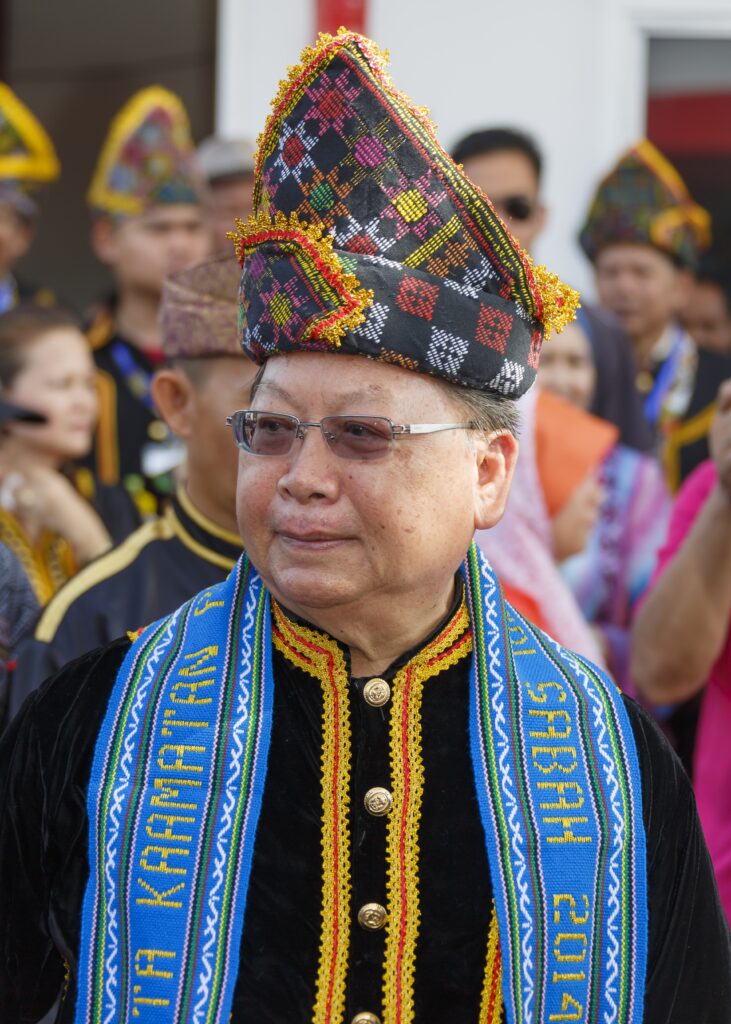
‘Kadazandusun is the umbrella of our shared identity. When we have a collective identity, we have the foundation to build one collective voice’ – Pairin
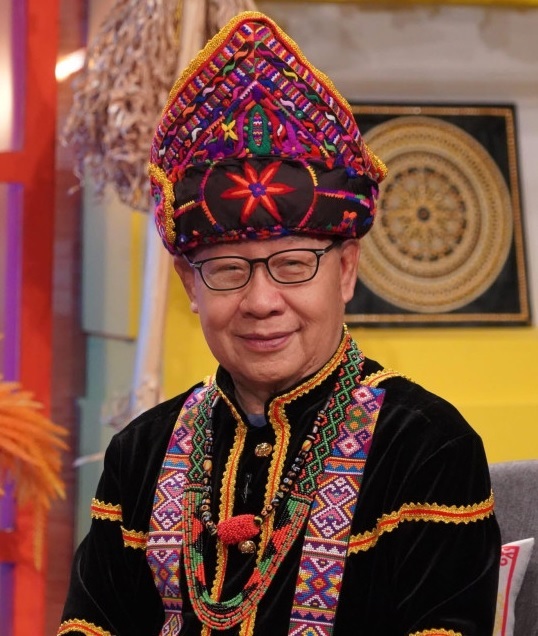
‘We do not need to be the same to be one. Accepting Kadazandusun does not require any community to abandon its name, language or customs’ – Jeffrey