Focusing on digital learning, TVET and STEM
By WU VUIDE
KOTA KINABALU: The Sabah Government supports the implementation of the Malaysia Education Plan (RPM) 2026-2035, with emphasis on digital education and infrastructure, teachers’ welfare, Technical and Vocational Education and Training (TVET), as well as Science, Technology, Engineering and Mathematics (STEM).
Chief Minister Datuk Seri Hajiji Noor said the government also places importance on educational equity, inclusive rural education, the inculcation of local values and identity, and the empowerment of school leadership.
He said through close synergy between the State and Federal Governments, critical issues such as dilapidated schools and teacher shortages in Sabah’s rural areas are expected to be addressed within the 10-year plan.
“The State Government is also working closely with the Federal Government to realise the agenda of empowering and enhancing excellence and the quality of education in this state, including further improving and upgrading educational facilities and infrastructure.
“The presence of senior officers from the Ministry of Education Malaysia today reflects the strong cooperation between the State and Federal Governments, especially as the initial phase of RPM 2026-2035 is being rolled out,” he said.
He said this when officiating at the Education Convention and the 4th General Assembly of the Malaysian Headmasters Association (PGBM) Sabah branch at the Sabah International Convention Centre.
His speech was delivered by Education, Science, Technology and Innovation Minister Datuk James Ratib.
Hajiji said education continues to be a key agenda of the government although it falls under the responsibility of the Federal Government.
He said from 2021 to 2025, 14 educational assistance initiatives were introduced by the government and have been continued this year to help reduce the burden on schools and ensure students in Sabah are not left behind in mainstream education.
“Among the educational assistance provided are the Bantuan Ihsan Sekolah Sabah (BISBAH), Bantuan Ihsan Komputer (BAIK), Bantuan Tunai Pendaftaran IPT (BUDI), Bantuan Aktiviti Guru dan Ibu Bapa Sabah (BAGUS), Bantuan Khas Tunai Peperiksaan (BAKTI), and the Bantuan Penyelenggaraan Kecil Sekolah (BALKIS) programme.
“Also provided are the Program Bantuan Khas Pendidikan (BANTU), Anugerah Khas Kecemerlangan Pelajar (AKSA), and Sumbangan Kegiatan Sekolah Sabah (SUKSES), in addition to educational funding such as scholarships, study grants, study loans and zakat assistance,” he added.
He said headmasters play an important role as the main leaders of schools and serve as the backbone in shaping the quality of education and the future of the younger generation in the state.
He said the challenges in today’s education landscape require school leaders not only to be efficient administrators, but also to possess high empathy towards members of the school community and be capable of leading change.
“Therefore, I hope this conference will serve as the best platform to chart the future direction, assess achievements, and discuss strategies to support the national education agenda.
“I also hope that PGBM Sabah will continue to be a strong platform for voicing the aspirations of headmasters in upholding the teaching profession,” he said.
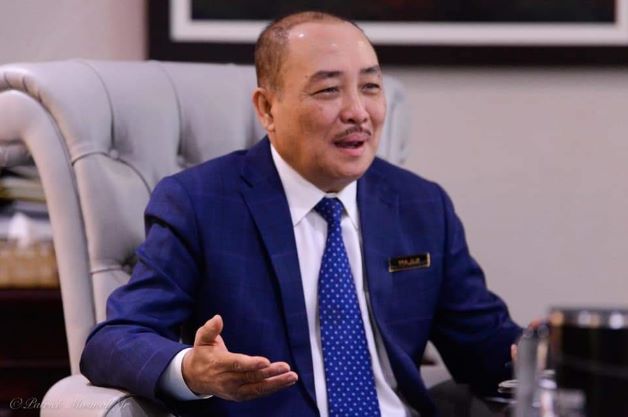
Hajiji said the government also places importance on educational equity, inclusive rural education, the inculcation of local values and identity, and the empowerment of school leadership.