SANDAKAN: Limited digital literacy in rural Sabah has left communities susceptible to online scams and misinformation, particularly amid the rapid advancement of social media and artificial intelligence (AI).
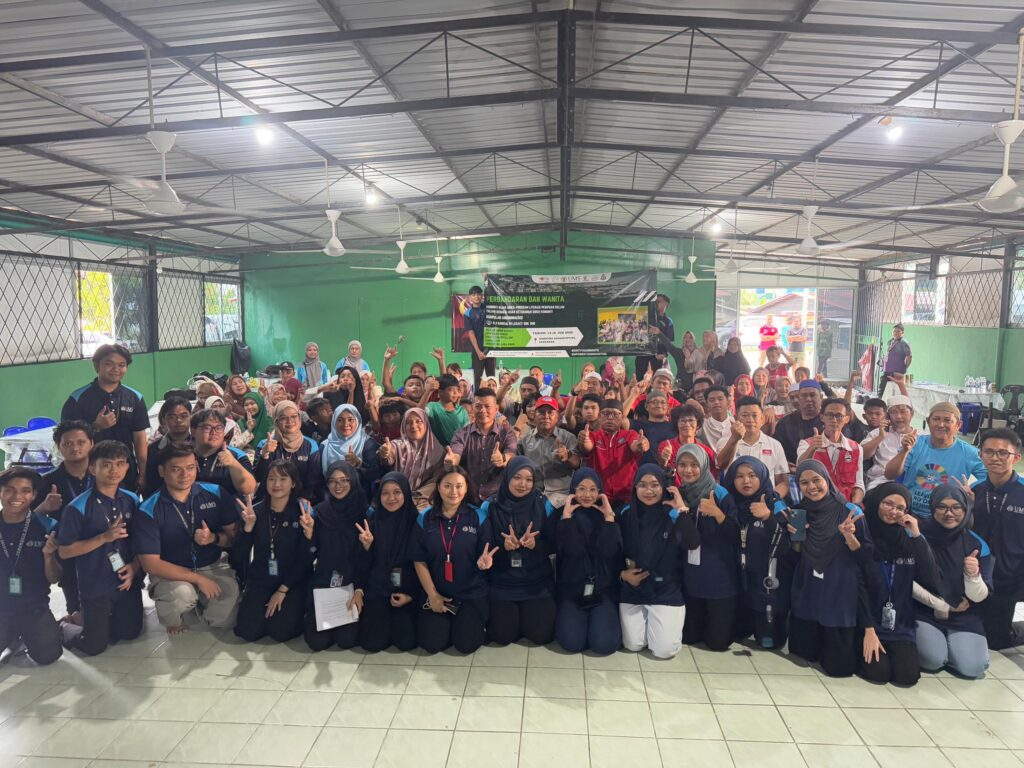
The issue was highlighted during the one-day Komuniti Bijak Cyber programme, a collaborative effort between Universiti Malaysia Sabah (UMS) and the Sabah Entrepreneurs Chamber of Commerce.
Karamunting Assemblyman Datuk George Hiew Vun Zin expressed concern over the lack of awareness and protective measures among villagers in the digital era.
“Social media has become incredibly sophisticated, and scams are increasingly prevalent. With AI now in the picture, rural residents often lack the knowledge to safeguard themselves,” he said during the event.
UMS Associate Professor Dr. Jalilah Md Shah emphasized the initiative’s role in fostering collaboration between students and communities to address real-world challenges.
“This programme is about raising awareness of societal issues and equipping people with the tools to avoid falling victim to online fraud,” she explained.
She also stressed the importance of partnerships between higher education institutions, elected representatives, and NGOs in enhancing grassroots awareness and resilience.
The event featured scam prevention talks and cyber navigation workshops, drawing participation from local residents, students, and community organizations. – James Leong