By WU VUIDE
KOTA KINABALU: The Sabah Fisheries Department has ordered the immediate removal of koi fish (Cyprinus sp.) from tagal areas and public waters following the detection of Koi Herpesvirus (KHV) infections affecting local fish species.
In a circular issued by its director, Datin Dr Shuhadah Mustapha, the department said the directive was aimed at strengthening biosecurity control and protecting inland fisheries resources in the state.
The department confirmed that KHV cases had been detected in pelian fish (Tor sp.) in several tagal rivers across Sabah.
It said koi fish, an introduced species, act as hosts for the virus, which can cause high mortality rates and spread rapidly in both closed and open water systems.
“The presence of koi fish poses a significant risk through the transmission of disease to local species, affecting the balance of the ecosystem,” the circular stated.
All Tagal Committee chairpersons have been directed to identify the source of koi fish in their respective areas and to remove them immediately from rivers, ponds sharing the same water source, as well as from tagal zones.
They are also required to ensure that no koi fish are released or transferred into public waters and to dispose of the species in accordance with the department’s biosecurity guidelines.
In addition, implementation reports must be submitted to the respective District Fisheries Offices within 14 days from the date of the circular.
The department said monitoring would be carried out regularly through district offices, warning that failure to comply could result in action under existing laws, including provisions under the Sabah Inland Fisheries and Aquaculture Enactment 2003.
The department urged all parties to cooperate in containing the spread of KHV and safeguarding Sabah’s inland fisheries resources.
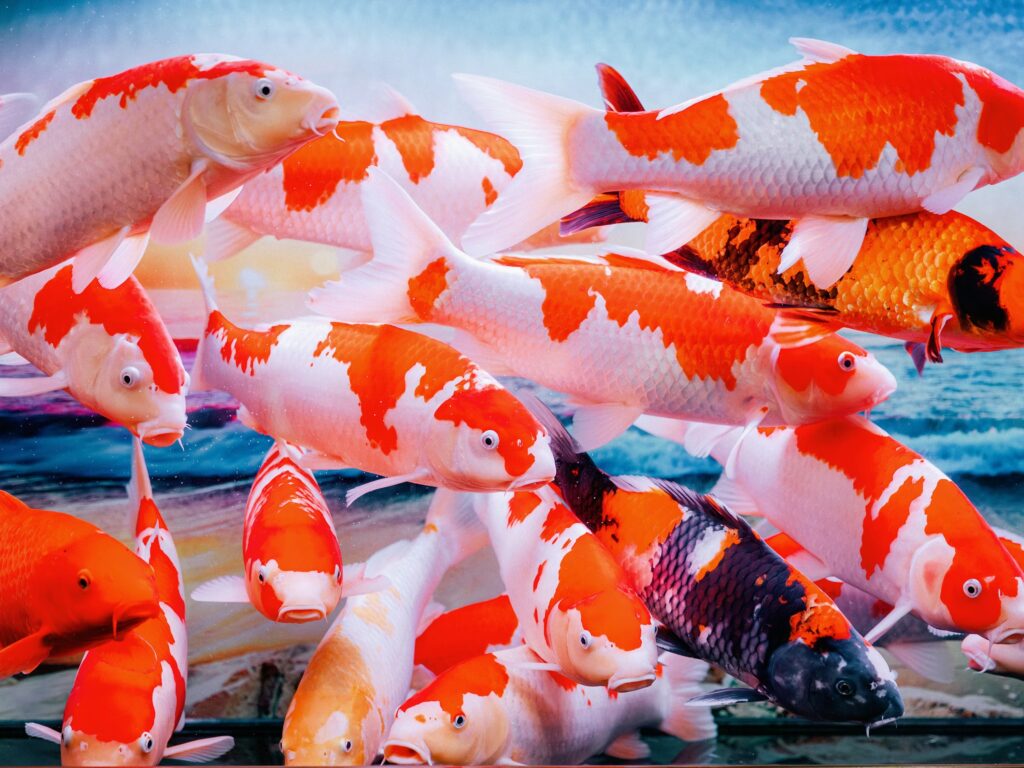
Koi fish, an introduced species, act as hosts for the virus, which can cause high mortality rates and spread rapidly in both closed and open water systems.