KOTA KINABALU: Every time you see a container ship docking at Port Klang or goods flowing through Penang’s commercial zones, there’s an invisible dance happening behind the scenes. Trade facilitation is essentially about making this dance smoother—cutting through the paperwork jungle, reducing waiting times, and lowering costs so that goods can cross borders quickly and safely. Think of it as clearing traffic jams at border crossings, but instead of cars, we’re talking about billions of ringgit worth of goods that keep our economy moving.
For Malaysia, where our trade value often exceeds twice our entire gross domestic product, having efficient border procedures isn’t just nice to have—it’s absolutely essential for our economic survival and growth.
The real cost of red tape
While governments worldwide have spent decades negotiating lower tariffs through trade agreements, something interesting happened. The bureaucratic costs of moving goods across borders didn’t shrink alongside those tariffs. Today, the Organisation for Economic Co-operation and Development tells us that administrative red tape can cost traders as much as the actual import duties they pay, especially in developing countries.
Picture this: customs forms that need to be filled out multiple times for different agencies, trucks sitting idle in port yards waiting for clearance, and inspection rules that nobody seems to fully understand. All of this quietly eats into business profits. For a small garment manufacturer in Malaysia trying to export to Europe, even a single day’s delay can completely wipe out the profit margin that makes the export worthwhile.
Why speed matters more than ever
Modern manufacturing has changed the game completely. Take the smartphone in your pocket—its electronic components probably travelled between factories in Penang, Shenzhen, and Bangkok several times before final assembly. This intricate global supply chain system means that any delay at any border can bring the entire production line to a halt.
The World Bank found that border compliance procedures alone can still eat up more than a full day in many middle-income countries. Every extra hour not only increases financing costs but also undermines the “just-in-time” delivery promises that keep online shoppers happy and businesses competitive.
The global solution: WTO Trade Facilitation Agreement
Recognising these growing bottlenecks, the World Trade Organization created the Trade Facilitation Agreement in 2014. This global pact promises to cut average trade costs by 14.3 percent worldwide and could inject up to US$1 trillion into global commerce. The beauty of this agreement is its flexibility—every country can set its own timeline while still committing to measurable improvements.
For developing nations, the potential savings are even more dramatic, with cost cuts of 16 percent or more when countries adopt best practices like advance rulings and electronic duty payments.
Malaysia’s digital gateway revolution
Malaysia saw this coming early. Since 2009, our National Single Window system has allowed traders to handle customs declarations, permits, certificates of origin, and payments through one unified web portal managed by Dagang Net. This system now processes over 100 million electronic transactions annually, connecting 45,000 users with 36 government agencies and 167 customs stations.
The impact is tangible. Instead of running between different government offices with stacks of paper, traders can now complete most procedures online, reducing queues and giving officials better tools to catch fraud.
Connecting with our ASEAN neighbours
The next big leap is regional integration. Through the ASEAN Single Window initiative, member countries are linking their national systems so that an electronic certificate issued in Penang can clear customs in Ho Chi Minh City within minutes. This regional cooperation has already saved businesses an estimated US$6.4 billion and reduced shipping times within ASEAN by an average of four days.
Malaysia is also testing connections with China’s customs system, which could extend these benefits to our largest trading partner.
Real results you can measure
Malaysia’s own Time Release Studies show concrete progress. Between 2014 and 2018, average cargo clearance time for imports dropped by about a day to 3 days and 6 hours, while exports now clear in 2 days and 18 hours. At Johor Port, border compliance costs have fallen to US$144 for exports and US$181 for imports, with most documentation now handled online.
These aren’t flashy, headline-grabbing changes—they’re incremental improvements like pre-arrival processing, risk-based inspections, and electronic payment systems that add up to serious savings for small and medium-sized businesses.
Sabah’s trade facilitation reality check
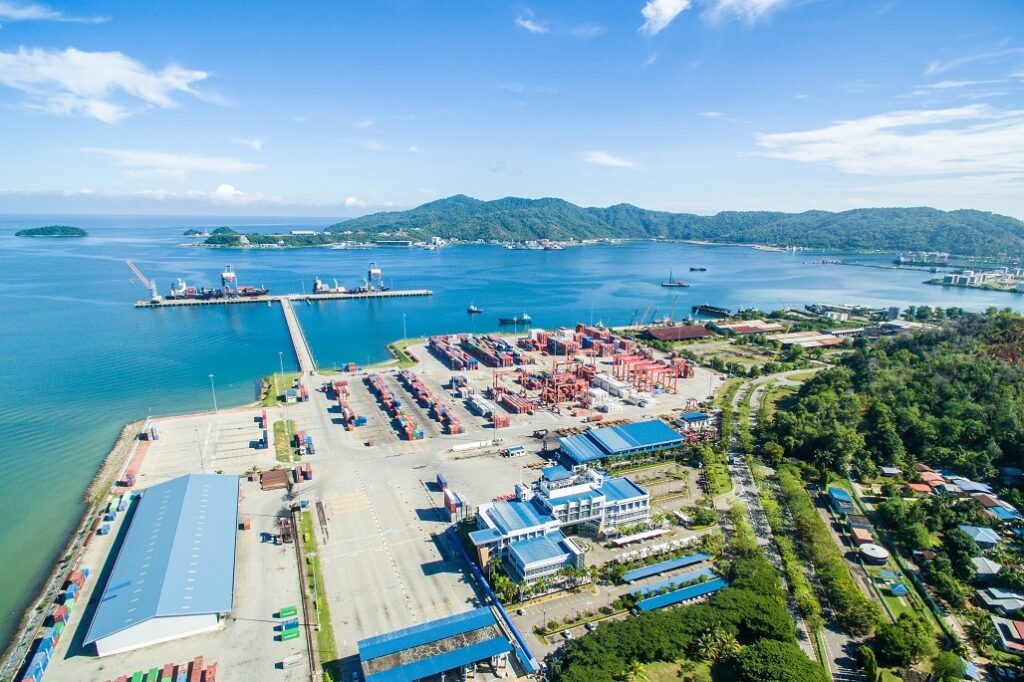
The situation in Sabah provides both challenges and success stories that illustrate trade facilitation in action. Sapangar Bay Container Port, which handles over 70% of the state’s cargo, experienced severe congestion in 2024 with ships waiting up to 13 days to dock. Container clearance times stretched from one to two hours per container to three to four hours, creating a logistics nightmare.
However, when DP World took over port management in September 2024, dramatic improvements followed. Through digital transformation initiatives, vessel waiting times were slashed from nearly two weeks to under 48 hours. The port implemented a Vehicle Booking System in July 2025 to regulate traffic flow and added three new cranes to reduce container movement bottlenecks.
On the enforcement side, Sabah Customs seized smuggled goods worth RM16.6 million at Sapangar Port in 2024-2025, including liquor falsely declared as aluminium products and frozen chicken disguised as vegetable products. These cases highlight how proper documentation and enforcement are crucial for trade facilitation systems to work effectively.
The six key ingredients for success
Trade facilitation works when six elements come together effectively. First is simplification—when government agencies accept electronic certificates instead of requiring multiple stamped originals, it saves everyone time and effort. Second is harmonisation—using common product codes and data formats lets Malaysian exporters send one digital file to multiple ASEAN partners instead of preparing separate documents for each country.
Third is technology—switching from manual cashier windows to real-time online duty payments turns a two-hour government office visit into a two-minute online transaction. Fourth is agency cooperation—Malaysia’s National Single Window works because customs, port health, agriculture, and standards departments legally must share risk data instead of running separate, sequential checks.
Fifth is transparency—online tariff calculators and searchable guidelines eliminate the old “cari kabel” culture by giving everyone equal access to rules, whether you’re a village pepper farmer or a multinational logistics company. Finally, continuous measurement through tools like OECD Trade Facilitation Indicators helps policymakers identify where we’re falling behind and where targeted improvements will have the biggest impact.
Why this matters to everyday Malaysians
Lower border costs create ripple effects throughout the economy. Cheaper imported animal feed reduces livestock prices at wholesale markets. Faster clearance of automotive parts keeps assembly lines running smoothly in Pekan. More predictable shipping times help a Sabahan handicraft seller fulfil overseas orders on time.
The Trade Facilitation Agreement could also increase government revenue by encouraging more traders to use official channels instead of informal border crossings, broadening the tax base while reducing smuggling risks.
Looking forward: From digital to human-centred
The digital transformation will continue deepening. Malaysia Customs is testing blockchain-verified electronic invoices, and radio-frequency identification seals now track high-value cargo in real time. Authorised Economic Operator programmes promise express-lane privileges for compliant companies, freeing up officers to focus on high-risk shipments.
Success will ultimately depend on people. Customs brokers need training on new software, small and medium enterprises need guidance on electronic documentation, and enforcement agencies require data analytics skills to separate genuine risk flags from routine noise.
The bottom line
Trade facilitation might sound like government jargon, but in a trade-dependent country like Malaysia, it affects everything from prices at the night market to delivery times for online shopping. Malaysia’s journey from the National Single Window to regional integration shows that practical reforms, grounded in technology and collaboration, can gradually eliminate barriers that once seemed permanent.
As Sabah’s experience demonstrates, challenges remain, but digital solutions combined with proper enforcement and infrastructure investment can deliver dramatic improvements. When more agencies connect to a common digital backbone and neighbouring countries adopt the same approaches, clearing goods across borders will become as seamless as sending a WhatsApp message. That’s what truly makes trade facilitation tick—for governments, businesses, and everyday Malaysians alike.