SANDAKAN: Warisan’s Tanjong Papat Assemblyman Alex Thien has called for full transparency and technical accountability regarding Sabah’s water infrastructure plans, particularly the Ulu Padas Water Supply Scheme and reported Non-Revenue Water (NRW) losses.
Recent media reports claimed Sabah loses 7,195 million litres per day (MLD) through NRW. Thien noted this is technically impossible, as Sabah’s total treated water production is only about 1,500 MLD. NRW cannot exceed production volume, and such figures risk public misunderstanding without proper context.
He also questioned the reported 6,000 MLD discharge potential from the Padas River. It is unclear whether this represents average flow, dry-season yield, flood discharge, or sustainable extraction capacity. Climate change, drought risks, sedimentation, and environmental flow requirements have not been publicly addressed.
Thien asked whether independent engineering peer reviews have been conducted, and if feasibility studies, hydraulic analyses, and environmental impact assessments have been fully disclosed. Projects involving billions in public funds must meet the highest standards of transparency.
He stressed that decisions of this scale should not remain solely within the Cabinet, especially when specialised water engineering expertise may be absent. Independent technical review and public scrutiny are essential before implementation.
The proposal to build a treatment plant in Beaufort and pipe treated water 200 km to Kota Kinabalu also requires deeper economic and technical evaluation, given high capital costs, energy demands, and NRW risks.
Thien urged serious consideration of alternatives, such as coastal reservoirs near Kota Kinabalu, which could offer shorter transmission distances, lower costs, and better integration with existing networks.
Sustainable planning must rely on dependable yield under worst-case conditions, not optimistic discharge values. Water security is a matter of public safety, economic sustainability, and intergenerational responsibility.
“Sabahans want better development – backed by sound science, rigorous engineering, and accountability. Before committing billions, the public deserves to see the evidence,” Thien said. – James Leong
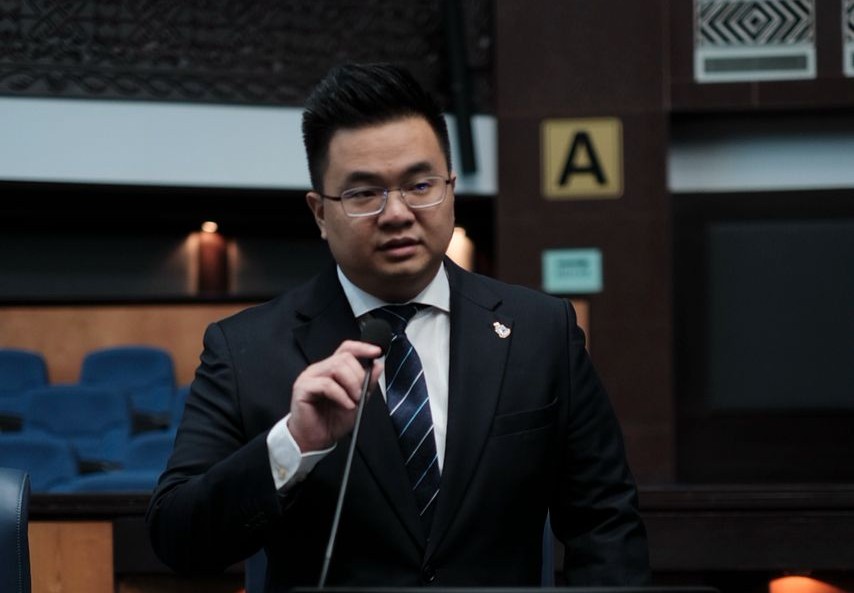
Thien stressed that decisions of this scale should not remain solely within the Cabinet.