By PAUL MU
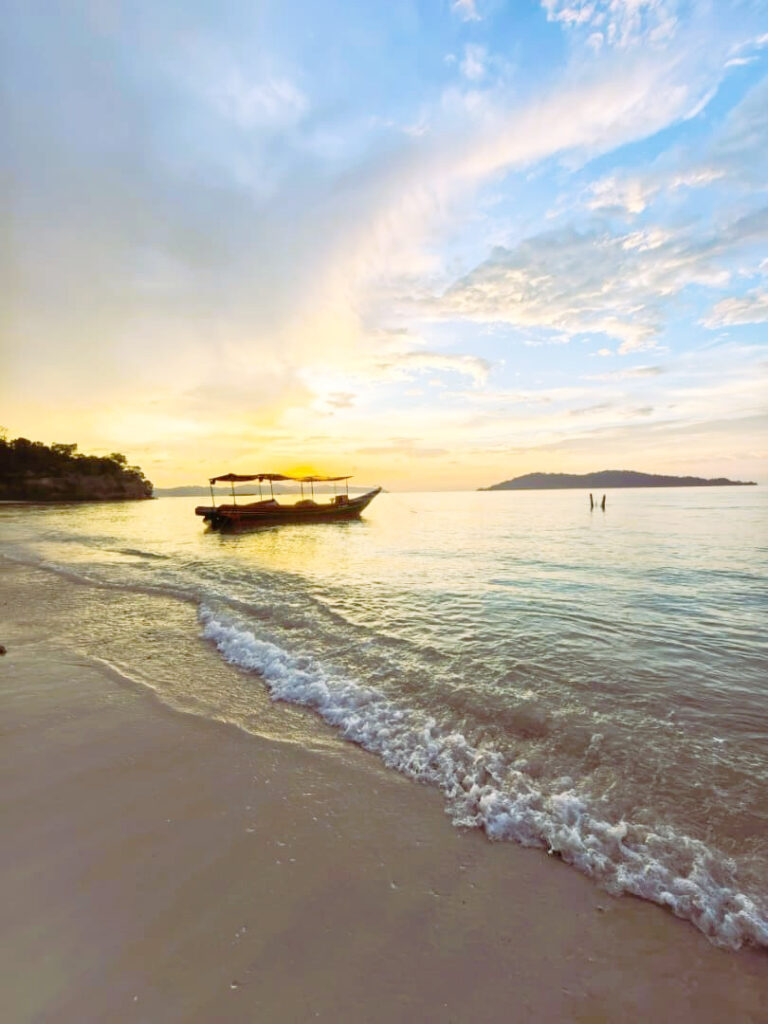
KOTA KINABALU: Ara Dinawan is a picturesque island cove resort with clear turquoise waters, located a 15-minute boat ride from the jetty at Beringgis Seafood Restaurant in Kinarut.
The proprietor introduced the glamping chalet concept in 2019, bringing visitors closer to nature.
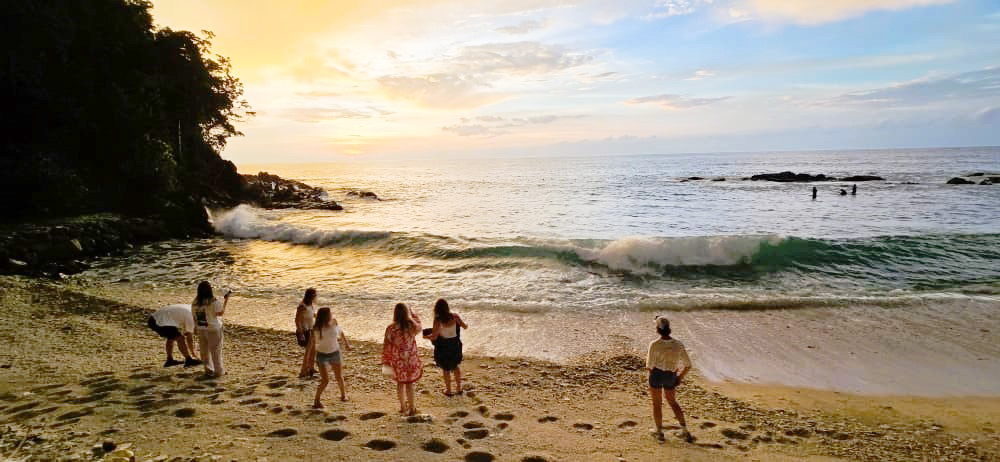
The quaint island offers relaxation and water activities such as snorkelling and kayaking. Guests can also enjoy buffet-style breakfast and lunch, sunset views before dinner and night fishing.
Most of the trees on the island have been well conserved, including a splendid banyan tree, also known as ara, from which the island gets its name.
The island has also installed solar panels to promote green energy and reduce noise. The generator is switched on only in the evening to power the air-conditioning system.
The island resort also has an interesting story passed down by villagers.
According to local folklore, Japanese soldiers established an outpost on the island during World War II to bury their gold. Whether any treasure remains hidden on the island is unknown.
Visitors walking along the beach may come across remnants of wartime ammunition that remain in the area.
Today, no villagers live on the island, although several cemeteries remain. The villagers have all been relocated to the mainland.
Visitors strolling beneath the tree canopy may also spot Oriental pied hornbills resting on the branches and calling to their mates, as well as a giant rock believed by some to bring good fortune.
To restore the island resort’s damaged ecosystem, the operator has been working with Gaia One, an Indonesia-based organisation with an office in Kota Kinabalu.
Richie Lee is one of five volunteers who take turns visiting the island daily to monitor the progress of the coral reef restoration project.
Richie, a freelance dive instructor from Kota Belud, said the organisation currently operates three project sites in Sabah, namely Dinawan, Sutera Harbour and Mari Mari Sepanggar.
“I have been involved in this project for about two years. As far as I know, there are more than 40 artificial reef frames used in this conservation project.
“The project is actually more about coral conservation and restoration rather than planting new corals.
“Many people misunderstand and think that we plant corals. In reality, we only collect broken coral fragments and give them an opportunity to grow again.
“It is like pruning a tree. We are not planting a new tree but helping the broken parts to grow back,” said Richie.
The coral survival rate at the project site is estimated at around 40 per cent, he said.
“That is already quite good because achieving a survival rate of 60 to 70 per cent is not easy,” he said.
Sea conditions, including currents and tidal changes, also affect coral survival.
Restoration work is ongoing, but the team has temporarily stopped planting because seawater temperatures are currently high.
The team is also identifying local coral species with the highest survival rates.
“We take samples from corals already found in the area because these species are suited to the local environment.
“If we introduce new coral species, we do not know how they will adapt to the environment.
“Therefore, our approach is to restore existing corals,” he said.
He said dead corals still served a purpose in the ecosystem as they could provide a new base for other corals to grow.
One of the project’s objectives is to raise public awareness about coral conservation and the importance of protecting marine ecosystems, he said.
Another direct threat to coral reefs from human activities is fish bombing.
The explosions can severely damage corals in the affected area, while surrounding corals may also be broken by the impact, he said.
Even divers near an explosion site could be injured by the vibrations, he added.
Divers also contribute to coral reef damage when they step on or touch corals.
“That is why, when we teach diving and issue diving licences, we always remind them not to step on or touch corals.
“However, ultimately, it depends on the individual’s behaviour and the instructors guiding them,” he said.
Another threat is coral bleaching, which occurs when corals are under stress.
Many people think white corals look beautiful. In reality, this is a sign that the corals are under stress and losing their food source, he said.
Boat and tourism activities can also damage coral reefs. Boat propellers, in particular, can damage corals when boats pass through shallow areas containing reefs.
The impact of land reclamation on coral reefs can also be significant, particularly because of silting, he said.
Land reclamation can affect marine ecosystems, including coral reefs and other coastal habitats.
However, he said development could not be stopped altogether, but better enforcement was needed to ensure that it did not harm the environment.
Environmental Impact Assessments (EIAs) are important because they involve studies on the potential effects of a project.
However, those conducting the studies also need to understand the actual conditions on the ground.
“For example, those of us working at sea can observe changes in currents, water conditions and their effects on coral reefs.
“Therefore, the views of people directly involved in marine activities should also be taken into consideration,” he said.
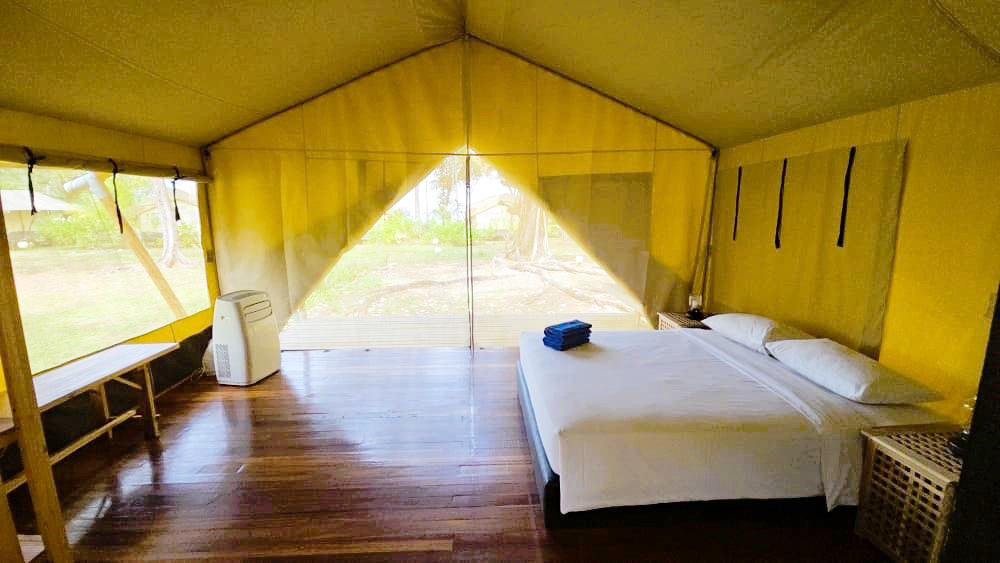
Glamping chalet interior.
Afternoon stroll.
Sunset view
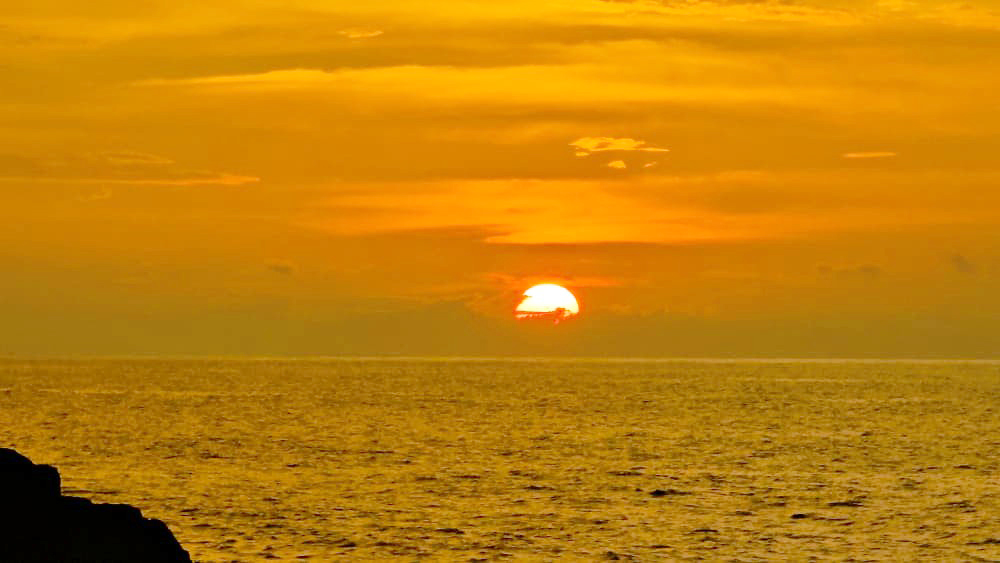
Sunset over the horizon.
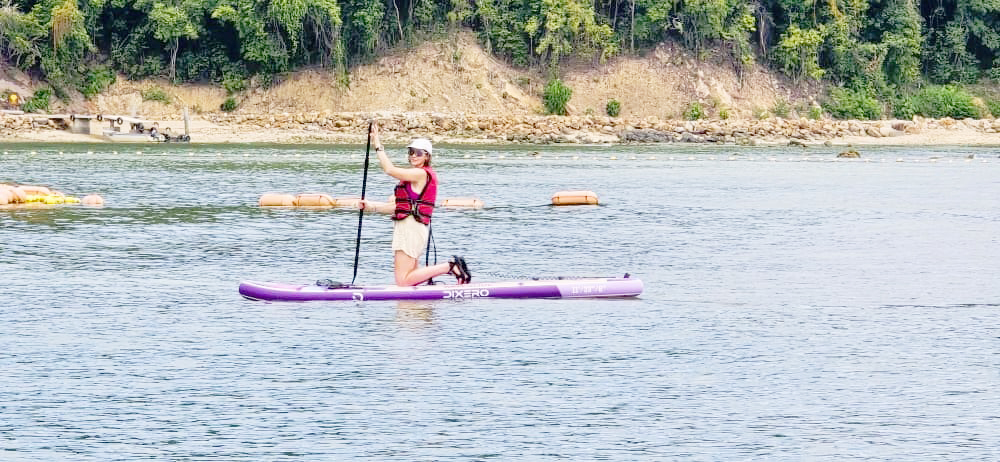
Stand-up paddling.

Richie Lee.
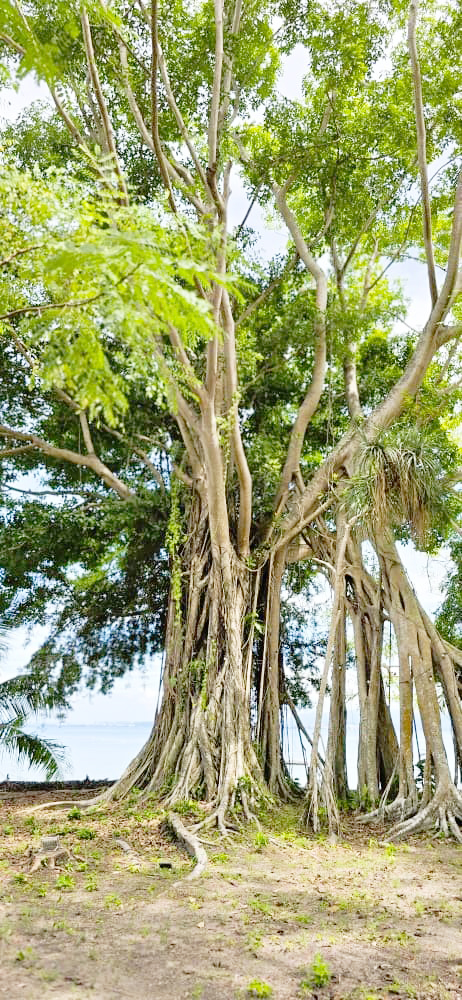
Banyan tree (ara).
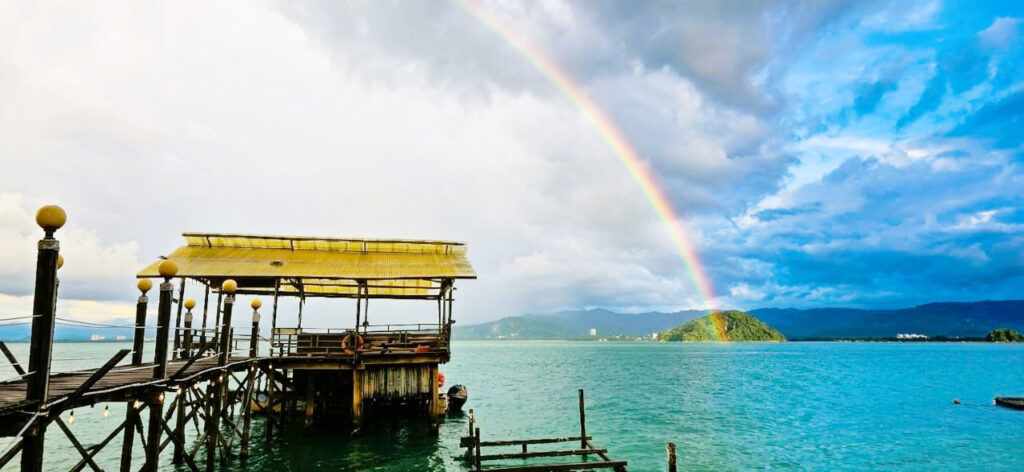
Rainbow over the island.
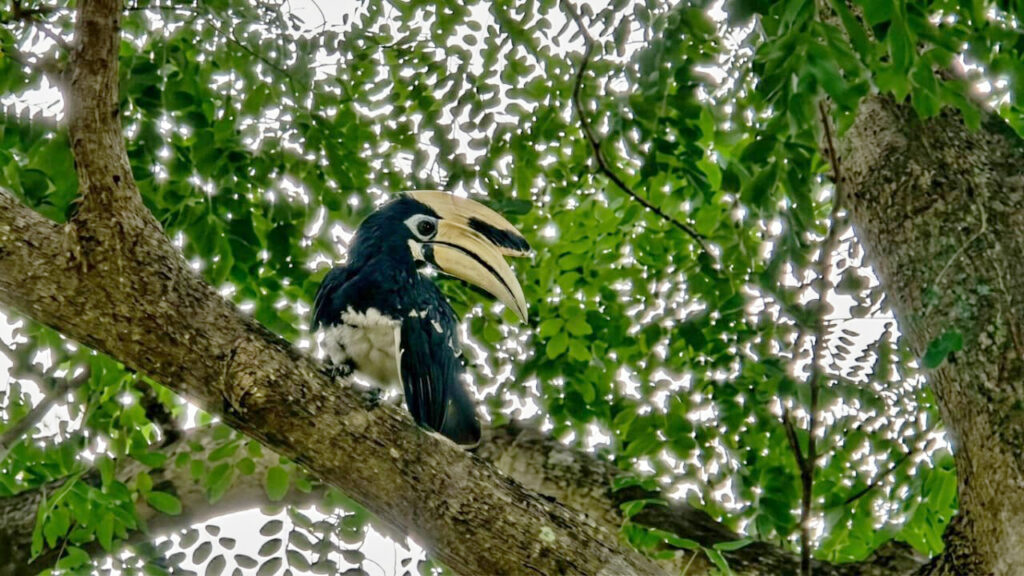
Oriental pied hornbill resting on a branch.
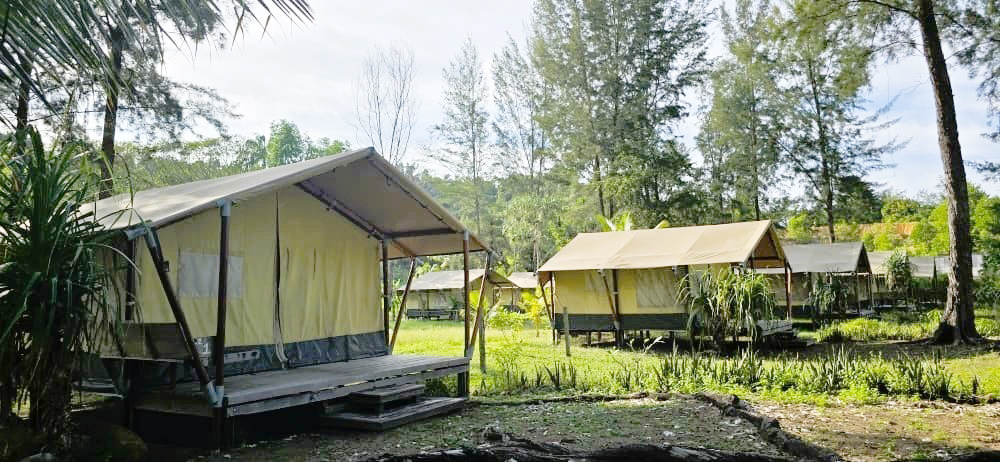
Glamping chalet.