By PAUL MU
KOTA KINABALU: The Sabah Government is adopting an integrated, science-based approach to tackle human-crocodile conflicts instead of permanently stationing special task forces along rivers.
Assistant Tourism, Culture and Environment Minister Dr Andi Md Shamsureezal Mohd Sainal said the strategy allows resources, expertise and personnel to be deployed flexibly according to operational needs in high-risk areas across the state.
Dr Andi was responding to Warisan-Tanjung Aru Assemblyman Datuk Wong Hong Jun during the question-and-answer session at the State Legislative Assembly sitting yesterday.
He said Sabah’s approach was better suited to the state’s geography, which includes extensive river systems, estuaries, coastal areas and widely dispersed conflict hotspots.
The ministry and the Sabah Wildlife Department (SWD) continued to implement immediate measures in high-risk areas while pursuing long-term strategies based on science, risk management and multi-agency cooperation, he said.
Dr Andi said mitigation efforts had been strengthened since 2023 with the establishment of the Sabah Crocodile Mitigation Operations Committee, chaired by the Secretary of the State Affairs Office.
The committee coordinates operations involving SWD, the police and other relevant agencies to improve information sharing and ensure rapid responses to crocodile-related incidents.
Measures include integrated operations, the management of high-risk crocodiles based on assessments by SWD and existing laws, public awareness programmes, the installation of warning signs and technical collaboration with experts.
Dr Andi said the Sabah Government would further strengthen the management of human-wildlife conflicts under the 13th Malaysia Plan.
He said the plan covers not only crocodile conflicts but also incidents involving elephants, monkeys and other wildlife through continuous monitoring, scientific research, community participation and stronger institutional capacity.
The government remains committed to protecting public safety while conserving Sabah’s biodiversity through effective operations and close cooperation between agencies and local communities, he said.
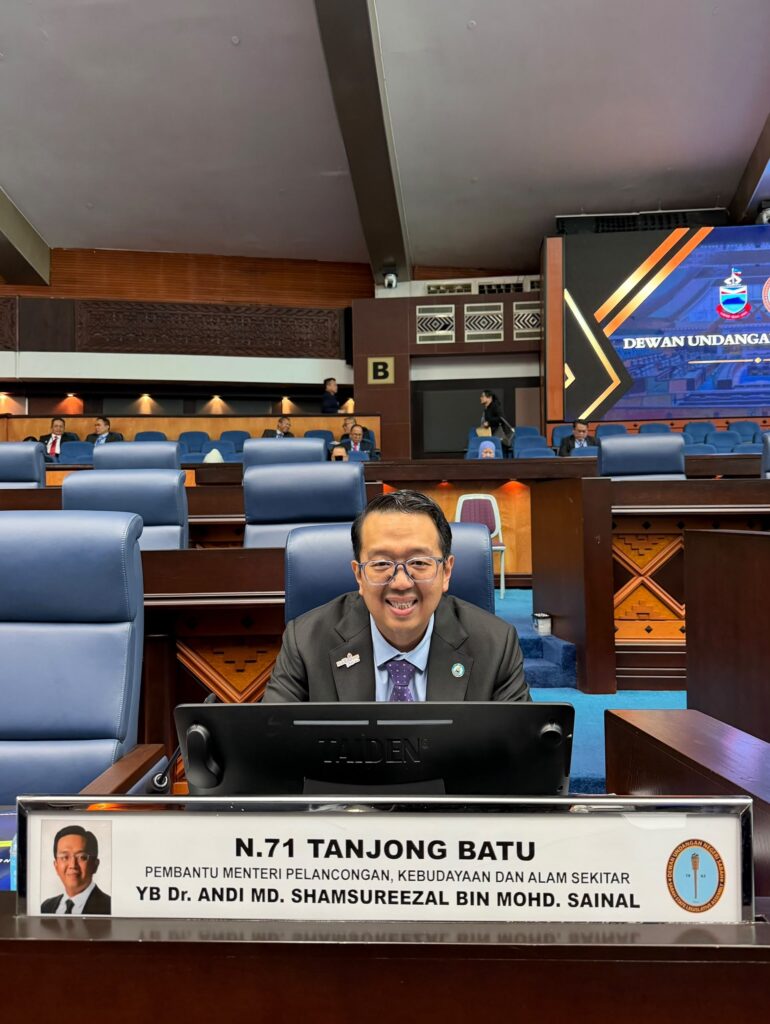
Dr Andi said Sabah’s approach was better suited to the state’s geography, which includes extensive river systems, estuaries, coastal areas and widely dispersed conflict hotspots.
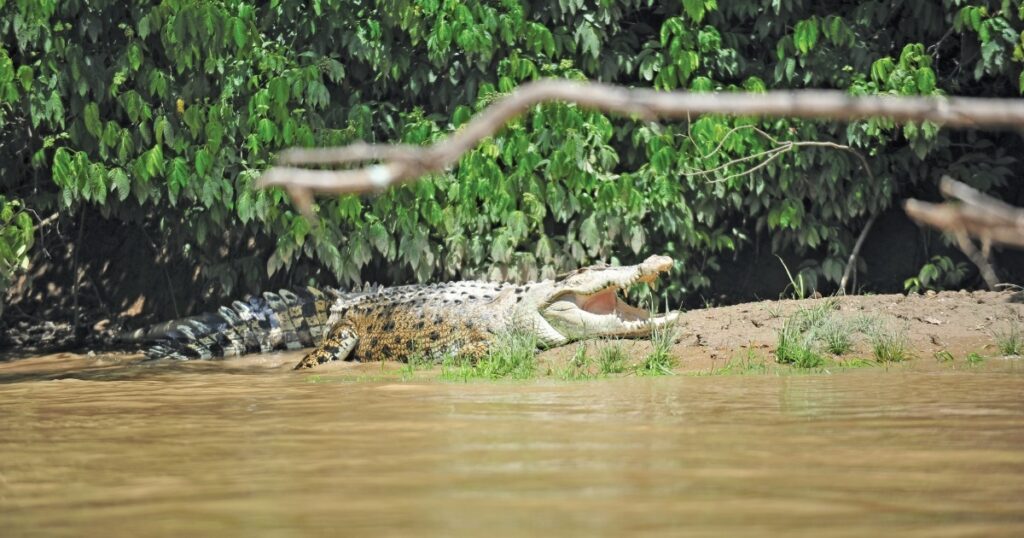
Pic for illustrative purpose only.