By MOHD IZHAM BIN HASHIM
KOTA KINABALU: Malaysia’s general insurance industry has achieved a significant operational milestone, recording a robust underwriting profit of RM1.2 billion for the 2025 financial year, with a year-on-year profit improvement of RM125 million.
General Insurance Association of Malaysia (PIAM) chief executive officer Chua Kim Soon highlighted the performance reflects the sector’s structural resilience and its capacity to absorb escalating claims costs while maintaining stable protection for millions of policyholders nationwide.
The industry’s growth was collectively driven by its primary business lines, with the Motor, Fire, and Personal Accident segments driving a combined premium expansion of 6.1 percent
“Motor insurance maintained its position as the largest single line of business, contributing RM10.9 billion or 45.2% of the total portfolio. The segment recorded moderated premium growth of 5.0% in 2025, down from 6.7% the previous year. Despite its dominance, it continued to post an underwriting loss of RM289.3 million with a Combined Ratio of 103%,” he said.
This represents a marginal 0.7-point improvement from 2024 due to tighter underwriting discipline, although persistent cost pressures particularly in the Private Car segment continue to strain the shared premium pool.
Speaking during the presentation of PIAM’s full-year results here recently, Chua pointed the analysis of regional operations highlighted distinct underwriting dynamics in East Malaysia, particularly within the motor vehicle sector.
“Private car owners in Sabah and Sarawak registered a significantly lower claim frequency of 1.7 percent compared to the national average of 5.1 percent, which successfully kept the regional private car loss ratio down to 45 percent,” he said.
Conversely, individual claims arising from East Malaysia proved to be substantially severe, running at a consistent average of RM12,000 per claim.
According to Chua, the data points to a distinct geographical profile where vehicular accidents are statistically less frequent but logistically costlier when they occur.
Fire insurance, the second-largest segment, grew 6.9% to RM5.0 billion in GWP from RM4.7 billion in 2024. The line delivered a strong underwriting profit of RM700.8 million with a favourable Combined Ratio of 69.5%. Growth was driven by sum-insured inflation on residential properties, largely due to rising rebuild costs.
Chua noted inflationary pressure also impacted claims, as the average severity for Fire Material Damage claims escalated sharply to RM109,000 in 2025 from RM89,000 in 2024, a shift attributed to both rising construction material costs and a broader consumer push for full reinstatement value coverage.
“Average claim severity for Fire Material Damage increased to RM109,000 in 2025 from RM89,000 in 2024. In East Malaysia, the fire loss ratio stood at 37%, compared with 28% in Peninsular Malaysia,” he said, noting flood cover take-up within fire insurance policies remained low at 21%.
Performance across other non-motor segments remained mixed but supportive of overall industry profitability. Personal Accident insurance registered strong double-digit growth of 12.2 percent to reach RM1.6 billion, accounting for 6.5 percent of the industry portfolio.
Chua noted the expansion was primarily propelled by an increase in travel insurance purchases alongside broader digital distribution channels, with consumer travel patterns showing a marked preference for regional destinations where the Malaysian Ringgit maintains stronger purchasing power.
Meanwhile, the Marine, Aviation, and Transit segment experienced a minor premium contraction of 2.2 percent, declining from RM1.83 billion to RM1.79 billion due to moderating activity in its core Offshore Oil-related and Cargo business units.
Nevertheless, the segment sustained a healthy underwriting profit of RM108.1 million and maintained a stable Combined Ratio of 73.1 percent.
Looking ahead, Chua underlined the general insurance sector is actively implementing measures to address systemic risks related to climate change, technological advancements, and economic inflation.
Insurers demonstrated operational responsiveness during major regional weather disruptions, such as the Hat Yai flood in December 2025, by expediting claims support and activating consumer advisories.
“To insulate consumers from external cost strains and address affordability concerns, the industry has widened its micro-insurance reach through the government-supported Perlindungan Tenang Voucher 3.0 Programme, which has recorded 67,946 policy issuances and RM2.04 million in redemptions as of mid-April 2026,” he said.
Chua added insurers deployed rapid operational relief measures for essential service providers like tow truck operators, expanding panel workshop networks and introducing flexible reimbursement structures for policyholders to mitigate service disruptions arising from volatile fuel price movements
“The ongoing rollout of the Digital Roadside Assistance application and continuous risk-reduction partnerships with the Vehicle Theft and Accident Reduction Council of Malaysia are expected to further optimize claims transparency and operational efficiency across the sector,” he said.
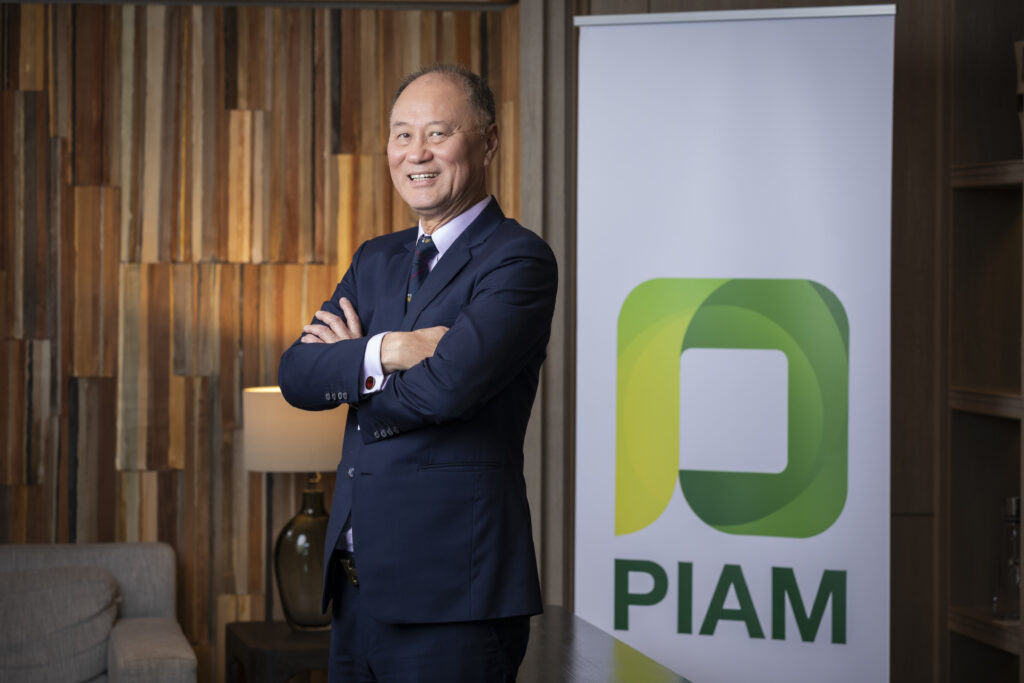
Chua said the analysis of regional operations highlighted distinct underwriting dynamics in East Malaysia, particularly within the motor vehicle sector.